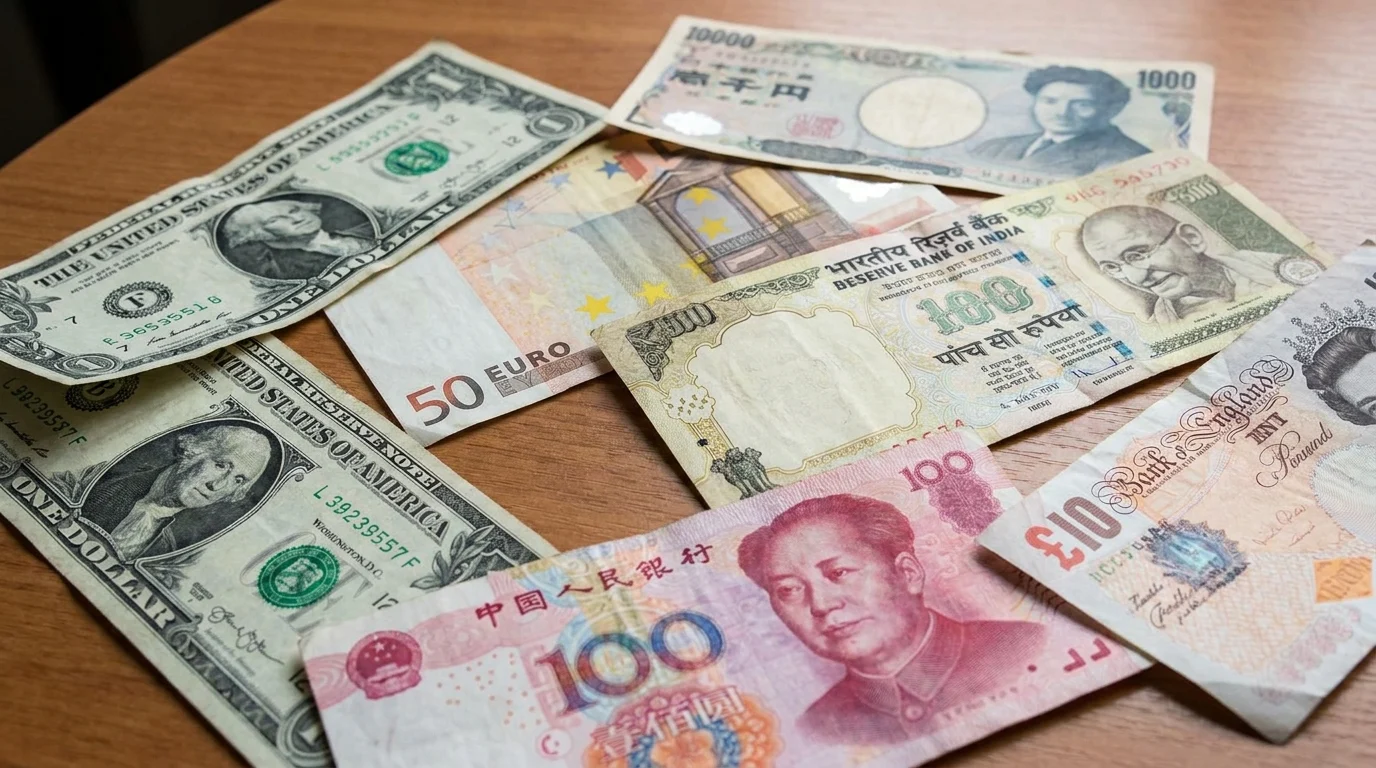
Money is an important part of everyday life, from shopping and saving to traveling and doing business. But how do people around the world say money in different languages? In English, we use the word “money,” while Spanish speakers say dinero, French speakers say argent, and German speakers say Geld. Learning these translations can help you communicate while traveling, study new languages, or explore how people express financial ideas around the world. This guide covers 70 languages, including native words, easy pronunciation guides, example sentences, and their English meanings.
How Do You Say Money in Different Languages?
The word “money” has different translations across languages. Here are eight common examples to get started.
| Language | Native Word | Easy Pronunciation |
|---|---|---|
| Spanish | Dinero | dee-NEH-roh |
| French | Argent | ar-ZHAHN |
| German | Geld | gelt |
| Italian | Denaro | deh-NAH-roh |
| Portuguese | Dinheiro | dee-NYEH-roo |
| Hindi | पैसा | pai-saa |
| Japanese | お金 | oh-kane |
| Chinese (Mandarin) | 钱 | chyen |
These words generally refer to money as a means of payment or something people earn, spend, and save. Some languages use different words depending on whether the speaker means cash, wealth, currency, or a specific amount of money.
Money in South Asian Languages
South Asian languages have several everyday words for money. Some are used broadly, while others are especially common in casual conversation.
| Language | Native Word | Easy Pronunciation | Example Sentence | English Meaning |
|---|---|---|---|---|
| Urdu | پیسہ | pai-sah | میرے پاس پیسے ہیں۔ | I have money. |
| Hindi | पैसा | pai-saa | मेरे पास पैसे हैं। | I have money. |
| Bengali | টাকা | taa-ka | আমার টাকা আছে। | I have money. |
| Punjabi | ਪੈਸਾ | pai-saa | ਮੇਰੇ ਕੋਲ ਪੈਸੇ ਹਨ। | I have money. |
| Gujarati | પૈસા | pai-saa | મારી પાસે પૈસા છે. | I have money. |
| Marathi | पैसा | pai-saa | माझ्याकडे पैसे आहेत. | I have money. |
| Nepali | पैसा | pai-saa | मसँग पैसा छ। | I have money. |
| Sinhala | මුදල් | moo-dal | මට මුදල් තියෙනවා. | I have money. |
Money in East Asian Languages
In East Asia, the words for money appear in everyday conversations about shopping, payments, prices, and personal finances.
| Language | Native Word | Easy Pronunciation | Example Sentence | English Meaning |
|---|---|---|---|---|
| Chinese (Mandarin) | 钱 | chyen | 我有钱。 | I have money. |
| Japanese | お金 | oh-kane | お金があります。 | I have money. |
| Korean | 돈 | don | 돈이 있어요. | I have money. |
| Mongolian | мөнгө | mung-guh | Надад мөнгө байна. | I have money. |
| Tibetan | དངུལ་ | ngul | ང་ལ་དངུལ་ཡོད། | I have money. |
Money in Southeast Asian Languages
Money-related vocabulary is useful when shopping, bargaining, paying for transport, or asking about prices in Southeast Asian countries.
| Language | Native Word | Easy Pronunciation | Example Sentence | English Meaning |
|---|---|---|---|---|
| Indonesian | Uang | oo-ahng | Saya punya uang. | I have money. |
| Malay | Wang | wahng | Saya ada wang. | I have money. |
| Filipino (Tagalog) | Pera | peh-rah | May pera ako. | I have money. |
| Vietnamese | Tiền | tee-en | Tôi có tiền. | I have money. |
| Thai | เงิน | ngern | ฉันมีเงิน | I have money. |
| Burmese | ပိုက်ဆံ | paik-san | ကျွန်တော့်မှာ ပိုက်ဆံရှိတယ်။ | I have money. |
| Khmer | លុយ | luy | ខ្ញុំមានលុយ។ | I have money. |
| Lao | ເງິນ | ngern | ຂ້ອຍມີເງິນ. | I have money. |
Money in Western European Languages
Western European languages offer several widely used translations for money. These words are helpful for everyday communication, travel, and business conversations.
| Language | Native Word | Easy Pronunciation | Example Sentence | English Meaning |
|---|---|---|---|---|
| English | Money | MUH-nee | I need money. | I need money. |
| French | Argent | ar-ZHAHN | J’ai de l’argent. | I have money. |
| German | Geld | gelt | Ich habe Geld. | I have money. |
| Dutch | Geld | kheld | Ik heb geld. | I have money. |
| Spanish | Dinero | dee-NEH-roh | Tengo dinero. | I have money. |
| Portuguese | Dinheiro | dee-NYEH-roo | Tenho dinheiro. | I have money. |
| Catalan | Diners | dee-NEHS | Tinc diners. | I have money. |
Money in Northern European Languages
Northern European languages have distinct words for money, including terms used in daily purchases and financial discussions.
| Language | Native Word | Easy Pronunciation | Example Sentence | English Meaning |
|---|---|---|---|---|
| Swedish | Pengar | PENG-ar | Jag har pengar. | I have money. |
| Norwegian | Penger | PENG-er | Jeg har penger. | I have money. |
| Danish | Penge | PENG-uh | Jeg har penge. | I have money. |
| Finnish | Raha | RAH-ha | Minulla on rahaa. | I have money. |
| Icelandic | Peningar | PEN-ing-ar | Ég á peninga. | I have money. |
| Estonian | Raha | RAH-ha | Mul on raha. | I have money. |
| Latvian | Nauda | NOW-da | Man ir nauda. | I have money. |
Money in Southern European Languages
These languages include several terms that are useful when talking about spending, saving, or paying for something.
| Language | Native Word | Easy Pronunciation | Example Sentence | English Meaning |
|---|---|---|---|---|
| Italian | Denaro | deh-NAH-roh | Ho denaro. | I have money. |
| Romanian | Bani | bahn-ee | Am bani. | I have money. |
| Greek | Χρήματα | KHREE-ma-ta | Έχω χρήματα. | I have money. |
| Albanian | Para | PAH-rah | Kam para. | I have money. |
| Basque | Dirua | dee-roo-ah | Dirua daukat. | I have money. |
| Galician | Diñeiro | dee-NYEY-roh | Teño diñeiro. | I have money. |
Money in Slavic and Eastern European Languages
Slavic languages have different words for money, even when some vocabulary and grammatical features are related.
| Language | Native Word | Easy Pronunciation | Example Sentence | English Meaning |
|---|---|---|---|---|
| Russian | Деньги | DYEN-gee | У меня есть деньги. | I have money. |
| Ukrainian | Гроші | HROH-shee | У мене є гроші. | I have money. |
| Polish | Pieniądze | pyeh-NYON-dzeh | Mam pieniądze. | I have money. |
| Czech | Peníze | PEH-nee-zeh | Mám peníze. | I have money. |
| Slovak | Peniaze | PEH-nyah-zeh | Mám peniaze. | I have money. |
| Bulgarian | Пари | PAH-ree | Имам пари. | I have money. |
| Serbian | Новац | NOH-vats | Имам новац. | I have money. |
| Croatian | Novac | NOH-vats | Imam novac. | I have money. |
Money in Middle Eastern Languages
- Money vocabulary is essential for shopping, travel, and everyday financial conversations across the Middle East.
| Language | Native Word | Easy Pronunciation | Example Sentence | English Meaning |
|---|---|---|---|---|
| Arabic | مال | maal | لدي مال. | I have money. |
| Persian (Farsi) | پول | pool | من پول دارم. | I have money. |
| Hebrew | כסף | KEH-sef | יש לי כסף. | I have money. |
| Turkish | Para | PAH-rah | Param var. | I have money. |
| Kurdish (Kurmanji) | Pere | PEH-reh | Min pere heye. | I have money. |
| Armenian | Փող | pogh | Ես փող ունեմ։ | I have money. |
Money in African Languages
African languages offer many ways to express the concept of money. The words below are useful starting points for learners interested in everyday conversation.
| Language | Native Word | Easy Pronunciation | Example Sentence | English Meaning |
|---|---|---|---|---|
| Swahili | Pesa | PEH-sah | Nina pesa. | I have money. |
| Afrikaans | Geld | kheld | Ek het geld. | I have money. |
| Zulu | Imali | ee-MAH-lee | Nginemali. | I have money. |
| Xhosa | Imali | ee-MAH-lee | Ndinemali. | I have money. |
| Yoruba | Owó | oh-WOH | Mo ní owó. | I have money. |
| Igbo | Ego | EH-goh | Enwere m ego. | I have money. |
| Hausa | Kuɗi | koo-dee | Ina da kuɗi. | I have money. |
| Somali | Lacag | lah-chag | Lacag baan haystaa. | I have money. |
Money in Central Asian Languages
Central Asian languages include Turkic and Persian-related languages with distinctive words for money.
| Language | Native Word | Easy Pronunciation | Example Sentence | English Meaning |
|---|---|---|---|---|
| Kazakh | Ақша | ak-SHAH | Менде ақша бар. | I have money. |
| Kyrgyz | Акча | ak-CHA | Менде акча бар. | I have money. |
| Uzbek | Pul | pool | Menda pul bor. | I have money. |
| Tajik | Пул | pool | Ман пул дорам. | I have money. |
| Turkmen | Pul | pool | Mende pul bar. | I have money. |
Money in Other World Languages
These additional languages expand the collection with useful translations from different linguistic traditions.
| Language | Native Word | Easy Pronunciation | Example Sentence | English Meaning |
|---|---|---|---|---|
| Irish | Airgead | AR-ig-ud | Tá airgead agam. | I have money. |
| Welsh | Arian | AR-y an | Mae gen i arian. | I have money. |
| Scottish Gaelic | Airgead | AR-ig-ud | Tha airgead agam. | I have money. |
| Esperanto | Mono | MOH-noh | Mi havas monon. | I have money. |
| Latin | Pecunia | peh-KOO-nee-ah | Pecuniam habeo. | I have money. |
| Haitian Creole | Lajan | lah-ZHAHN | Mwen gen lajan. | I have money. |
How to Use the Word Money in Everyday Conversations
Knowing the translation of money is a good start, but learning how to use it in a sentence makes the vocabulary more practical.
Here are some common English examples:
- I need money. Use this when explaining that you need funds for something.
- How much money does it cost? Use this when asking about a price, although “How much does it cost?” is often more natural.
- I am saving money. Use this when talking about keeping funds for a future purpose.
- I don’t have enough money. Use this when explaining that you cannot afford something.
- Where can I exchange money? Use this when traveling and looking for a currency exchange service.
In another language, the sentence structure may differ from English. Learning a complete phrase can help you communicate more naturally than translating each word individually.
What Is the Difference Between Money, Cash, and Currency?
These three words are related, but they have different meanings.
- Money: A general term for funds used to buy goods and services or settle payments.
- Cash: Physical banknotes and coins used for payment.
- Currency: The monetary system or official unit of money used in a country or region, such as the euro or Japanese yen.
- Wealth: The total value of someone’s assets and resources, which may include property, investments, and savings.
For example, someone may have money in a bank account without carrying cash. Likewise, currency refers to a monetary unit, while money is the broader concept.
How to Learn Money Translations Easily
Learning 70 words at once can feel overwhelming, so use a simple plan to make the process easier.
- Start with five languages: Learn a small number of translations before moving on.
- Use flashcards: Write the native word on one side and its English meaning on the other.
- Practice real-life sentences: Learn phrases about buying, selling, saving, and paying.
- Group similar words: For example, Spanish dinero and Portuguese dinheiro look and sound somewhat alike.
- Listen to native speakers: Audio helps you understand pronunciation and natural speech.
- Review regularly: Repeat older words to strengthen your memory.
A few minutes of practice each day can help you build vocabulary gradually and use it with greater confidence.
Common Mistakes When Translating Money
When learning money translations, it helps to remember a few important distinctions.
- Confusing money with currency: The words are related, but they do not always refer to the same thing.
- Using cash when you mean money: Cash usually means physical notes and coins.
- Ignoring context: A word for money may have a more specific meaning in certain expressions.
- Relying only on pronunciation: Learn the original spelling as well as the sound.
- Translating sentences word for word: Other languages may use different grammar or more natural expressions.
For practical communication, use example sentences and check how native speakers express the same idea in everyday situations.
Frequently Asked Questions
How do you say money in different languages?
Some common translations are dinero in Spanish, argent in French, Geld in German, denaro in Italian, paisa in Hindi and Urdu, and okane in Japanese.
What is the Japanese word for money?
The Japanese word for money is お金, pronounced okane. It is a common term used when talking about money in everyday situations.
What is the difference between money and cash?
Money is the broader concept of funds used for payments and purchases. Cash specifically refers to physical banknotes and coins.
What is the most common word for money in Spanish?
The standard Spanish word for money is dinero. For example, Tengo dinero means “I have money.”
Why do different languages have different words for money?
Languages develop their own vocabulary through history, culture, and linguistic change. As a result, the word for money varies across languages, even though the basic concept is widely shared.
Conclusion
Learning money in different languages helps you build vocabulary for travel, shopping, business, and everyday conversations. From dinero and argent to pesa, uang, and okane, these translations show how different languages express the same basic idea. Start with a few words, practice their pronunciation, and use them in complete sentences to remember them more easily.

I am Ricardo Hunter, Administrator at LingoBuz, passionate about languages, translations, and global communication. I help create useful, clear content that makes exploring different languages simple, enjoyable, and accessible.